 Your voice. Our heritage. West Virginia’s future.
Join the Preservation Alliance of West Virginia and guests for our Annual Members Meeting! Connect with fellow preservation advocates, take part in the important work of our organization, and help shape the future of historic preservation across our state. On the agenda: *Board of Directors Election: Exercise your membership voice and vote for the Board of Directors. *Federal Preservation Update from Lauren Cohen (Director of Government Relations at the National Trust for Historic Preservation): Learn about national developments, challenges, and opportunities affecting historic preservation. *State of Historic Preservation: Hear updates on the current state of historic preservation in West Virginia from Meredith Dreistadt (Acting Deputy State Historic Preservation Office with the WV State Historic Preservation Office) *What's happening on Main Street: Jennifer Brennan (Director of West Virginia's Main Street and On TRAC programs) will share news about downtown revitalization efforts. From our historic landmarks and treasured communities to the policies that protect them, your involvement matters. Come share ideas, get informed, and help strengthen the future of preservation in West Virginia! All members are encouraged to attend. We look forward to seeing you there! Register at https://us06web.zoom.us/.../register/WpR3aSrZRuu8Wmu0GckLxg The Preservation Alliance of West Virginia is thrilled to announce over $490,000 in grant funding to support eight historic preservation projects through its Frontier to Statehood Grant Program. The program is supported by the Paul Bruhn Historic Revitalization Grant Program of the National Park Service, U.S. Department of the Interior. Developed in celebration of America’s 250th anniversary, the Frontier to Statehood Grant Program supports the rehabilitation and continued use, or adaptive reuse, of historic buildings that help tell the story of West Virginia and the nation. All eight projects date to 1871 or earlier, connecting the projects to the people, places, and events that shaped West Virginia during the state’s formative years. “This program is a powerful investment in the places that shaped our state and our nation,” said Danielle Parker, executive director of the Alliance. “By supporting the preservation and active use of these early buildings, we’re not only protecting history, we’re creating opportunities for communities across West Virginia to grow, connect, and tell their stories for generations to come”. The eight projects receiving funding are:
More information about each project is included below. Together, these projects represent a significant investment in preserving historic places and supporting their use in communities across West Virginia. Artisan Center, Wheeling — Wheeling Heritage  Funding will support painting of the building’s upper crown and windows, along with window refurbishment. The Wheeling Artisan Center is a renovated industrial building (c.1867) with a three-story atrium in the heart of the Downtown Wheeling Historic District. Built by Henry List –a successful wholesale merchant and banker majorly involved in Wheeling’s public improvements during the later part of 19th- Wheeling Heritage first renovated the building in 1996 and has made significant improvements to the building over the last 30 years. This funding will support important maintenance for this cultural destination, which houses the Artisan Center Shop, River City Restaurant, an art gallery, and the headquarters of Wheeling Heritage. Cockayne House, Glen Dale — Marshall County Historical Society  Funding will support interior plasterwork and repairs associated with water damage at the Cockayne Farmhouse - a historic house museum owned by the Town of Glen Dale and managed by the Marshall County Historical Society. Constructed in 1850-1851 for the family of Bennett Benjamin Cockayne, the Farmstead is individually listed in the National Register of Historic Places and provides an important record of Marshall County and West Virginia’s development during a pivotal period of settlement and growth. The Cockaynes were among early white settlers to establish farms on what was then the western American frontier, arriving in the Ohio Valley in the 1790s. The family later raised prize-wining Merino sheep on the property, while the six Cockayne daughters led prominent social lives filling the farmhouse with original art work that survives to this day. The final Cockayne to live in the house, Samuel Andrew Jackson Cockayne, made few alterations to the property. As a result, the farmhouse retains a remarkable degree of historic integrity, allowing visitors to experience and better understand the social, agricultural, and economic history of the state and nation. Collett House, Beverly — Historic Beverly Preservation, Inc.  Funding will support exterior stabilization, interior rehabilitation and installation of electrical service at the Collett House – an encapsulated 18th century log cabin and possibly the oldest home still standing in Randolph County. The building is a contributing structure in Beverly Historic District and is undergoing restoration to be used for the Beverly Heritage Center’s public programming. Local lore calls the building “The Westfall Fort”, as it was home, or potentially a blockhouse, for the region’s most prominent early white settler families. During the early to mid-19th century, the cabin was expanded. Civil War soldiers’ graffiti can be found in the upstairs room indicating it may have been used as a hospital. Later the building served as a home and hotel before being sold to Historic Beverly Preservation in the early 2000s. Enter Hotel, Shepherdstown — Historic Shepherdstown  Funding will support restoration of the metal roof on the Entler Hotel complex – one of Shepherdstown’s major historic icons and currently home to the Historic Shepherdstown Museum, offices, an art gallery, and reception room. The history of the building can be traced to 1786 and represents a part of the frontier of a new nation. Shepherdstown was once considered as the site of the new capital for the young United States and was a stop on the Philadelphia Wagon Route, which brought settlers to the Shenandoah Valley. By 1809, the building housed a grocery store, a tavern and later a hotel. During the Civil War, the building served as a hospital after the Battle of Antietam and as a place where Union soldiers stayed for much of the remainder of the war. Halltown Colored Free School, Harpers Ferry — Halltown Memorial Chapel Association  Funding will support completion of the interior renovation of the Halltown Colored Free School (Free School), which is under restoration by the Halltown Memorial Chapel Association. The brick one-room Free School is individually-listed in the National Register of Historic Places. Thomas Edwards built the school on the Old Charles Town-Harpers Ferry Turnpike in 1870 to educate his family, including 13 grandchildren and other African-American children, during a time of segregated education. After closing as a school in1929, it reverted to a private residence. The Free School’s future use will be as a repository for documentation of life in the late 19th and early 20th centuries in Jefferson County and as a reception area for small weddings held in the adjacent Halltown Memorial Chapel (c. 1901), which the Association has restored. Old Baptist Church, Union — Monroe County Historical Society
Funding will support brickwork, exterior drainage improvements and preservation of the columns and front porch of the Old Baptist Church – constructed in 1845 and one of the oldest surviving religious buildings in Monroe County. Originally organized as a church for white members of the community, the church also welcomed enslaved African Americans, who attended services, but were segregated to the upper gallery space. In 1868, seven formerly enslaved individuals were baptized into the church. As white membership declined, the church was deeded to its remaining African American congregants. In 1870, it was renamed First Baptist Church and continued to serve as a place of worship for more than 100 years. In 1997, the church was deeded to the Monroe County Historical Society, which has been working to repair the building and use it for interpretive programming. This important stabilization work will help protect the historic structure and make it more accessible to the public in the heart of the Union Historic District. Shindler House (Civil War Center), Shepherdstown — Shepherd University  Funding will support necessary masonry and interior repairs of the George Tyler Moore Center for the Study of the Civil War at Shepherd University. The center is located in the Shindler house, which was constructed ca. 1785-1795 by Michael Fouke, Sr., a local carpenter and leading citizen who literally helped to construct the historic community of Shepherdstown. Conrad Shindler, a coppersmith, purchased and expanded the building ca. 1815, living there with his family and up to seven enslaved people until his death in 1852. Shindler family and the enslaved people remained in the home through secession and the Civil War when the home likely served as a field hospital for wounded Confederate soldiers from the Battle of Antietam. In 1869, the German Reformed Church acquired the building for use as a parsonage. In 1995, famous actress Mary Tyler Moore (great- great- great-granddaughter of the Shindlers) purchased the home and donated it for use a Civil War research center named for her father. It continues to serve this purpose offering a magnificent Civil War library, sponsored lectures, seminars, tours, and student engagement. Tyree Tavern, Ansted — Pamela Webster-Walsh  Funding will support restoration work on the windows of the Tyree Tavern (c. 1810) – the oldest structure in Fayette County and was the first building around which the Town of Ansted grew. Also known as the “Halfway House”, it stands on the path of an early travel route to the West for the early nation – the James River and Kanawha Turnpike – connecting Lewisburg and Charleston. The original portion of the house was built by Joseph Kaggs, one of the first white settlers of Ansted. The building later served as an inn and a post office. During the Civil War, the tavern was occupied at times by both Confederate and Union troops. In 1862, it served as headquarters of the famed Chicago Gray Dragoons. The building is currently undergoing a full restoration to be turned into a historic house museum and cultural facility.
 Image of two story brick masonry structure and former school in Ft. Gay, Wayne County, West Virginia. The Preservation Alliance of West Virginia recently announced a $50,000 Fund for Historic Schools Grant to the Coalfield Development Corporation to support their efforts to adaptively reuse the former Fort Gay High School in Wayne County. The grant will support rehabilitation of the building’s first-floor exterior, including historically appropriate replacement windows and repairs to damaged limestone windowsills, glass block, and brickwork. This work will help prepare the first floor for future community-serving uses, including commercial, municipal, public, and workforce development space.
The former high school had been vacant since its permanent closure in 2013. Since acquiring the property, Coalfield has worked to preserve the historic building and return it to productive community use. Eight affordable apartments on the second floor are now nearing completion. The broader redevelopment has also created paid, on-the-job construction training opportunities, allowing the project to support both historic preservation and workforce development. Coalfield Development is a West Virginia nonprofit headquartered in Huntington with a mission of cultivating opportunities for rural people, transforming disinvested places, and generating new prosperity for rural communities through workforce development, community-led construction projects, and social entrepreneurship. “We are very excited to support the Coalfield Development in their goal to breathe new life into this landmark building. So many of our state’s important architectural buildings and civic buildings are being lost, and it is an honor to play a small role in this critical development,” said Danielle Parker, executive director for the Preservation Alliance. The Preservation Alliance is the state’s leading nonprofit dedicated to historic preservation. The Alliance’s Fund for Historic Schools Grant is a competitive grant program made possible by the Paul Bruhn Historic Revitalization Grant from the National Park Service, Department of the Interior. It was designed to encourage economic development through the renovation and preservation of certified historic school buildings in rural West Virginia communities experiencing high levels of poverty. When a school closes and remains vacant or underused, the building can deteriorate, become a burden on the community, and attract vandalism or other illegal activity. Nonprofits like Coalfield Development are working with communities to help preserve these special places while finding a new, appropriate use, and the Alliance is a proud supporter. NEW FIELD GUIDE HELPS THE PUBLIC DOCUMENT MORE OF THESE RESOURCES  Morgantown, W.Va. - The Preservation Alliance of West Virginia (PAWV) is proud to announce that its nomination of historic New Deal era stone walls in Morgantown has officially been accepted by the National Park Service for listing on the National Register of Historic Places. This significant achievement recognizes the enduring legacy and historical importance of these remarkable structures, many of which were built by the Civilian Conservation Corps (CCC), Federal Emergency Relief Administration (FERA), the Works Progress Administration (WPA), as well as other programs during the Great Depression. Read the Nomination here! The National Register of Historic Places is the official list of the Nation's historic places worthy of preservation. Listing in the National Register provides formal recognition of a property's historical, architectural, archaeological, or cultural significance. In addition to this successful nomination, the Alliance created a free resource, A Field Guide to West Virginia New Deal Masonry, that the public can download for free and use to research and document New Deal era stone walls in their communities. The Morgantown Historic Landmarks Commission initiated this project with support from the West Virginia State Historic Preservation Office. West Virginia University's public history program also provided support, but unfortunately, the project was not completed due to the onset of COVID. In 2024, PAWV listed historic stone walls across the state to their Most Endangered Historic Properties List and offered free assistance to finish the nomination. PAWV has championed the preservation of these walls, recognizing their vulnerability to neglect, demolition, and unsympathetic alterations. The National Register listing offers a layer of protection and opens doors for potential preservation grants and tax incentives, encouraging their continued stewardship. This is a monumental step forward in recognizing and preserving a vital part of West Virginia's history. These New Deal Stone Walls often go unnoticed as we travel through towns and rural landscapes, but they play a vital role in our ingress and egress to downtown centers. The New Deal Stone Walls are not just physical barriers; they are tangible reminders of a pivotal era, representing the resilience of our communities, the ingenuity of federal relief programs, and the dedication of the men who built them. Their acceptance onto the National Register is a testament to their profound cultural and historical value. Constructed primarily in the 1930s and early 1940s as part of President Franklin D. Roosevelt's New Deal initiatives, these stone walls provided crucial employment during a period of severe economic hardship. Beyond their practical functions – erosion control, terracing, and property demarcation – they also contributed to the beautification of public lands, parks, and agricultural areas across the state. The craftsmanship exhibited in their dry-stacked and mortared construction reflects a unique blend of traditional building techniques and the specific designs of federal agencies.  Richwood Avenue Wall at Marion and East Prospect Street, Morgantown, W. Va. - From West Virginia History OnView Our goal with this nomination and the development of the field guide was to ensure these magnificent structures receive the recognition and protection they deserve. We encourage communities, landowners, and history enthusiasts to learn more about the New Deal Stone Walls in their areas and join us in advocating for their long-term preservation. PAWV extends its gratitude to the West Virginia State Historic Preservation Office, Gioulis Preservation Consultants, the Morgantown Historic Landmarks Commission, and the City of Morgantown for their invaluable contributions to this successful nomination.
The Preservation Alliance of West Virginia, the statewide nonprofit organization dedicated to protecting the state’s historic places and properties, announced the recipients of the 2025 West Virginia Historic Preservation Awards at its annual awards banquet on Friday, May 2, at Oglebay Resort in Wheeling, West Virginia. These awards recognize outstanding contributions to historic preservation throughout the Mountain State. The banquet was part of the West Virginia Historic Preservation Conference held May 1 - 3, where preservation advocates gathered from throughout the state and region. Other activities included educational sessions, hands-on trades demonstrations, and tours of historic sites. The conference welcomed speakers from the National Trust for Historic Preservation, Main Street America, and others.
2025 West Virginia Historic Preservation Award Recipients {Detailed recipient bios and project details included below.}
Each year, the Alliance presents two Preservation Persistence Awards to recognize individuals and organizations demonstrating extraordinary dedication to historic preservation. This year, the award was renamed in honor of Betty "Snookie" Woods Nutting of Wheeling, a trailblazer in the field whose tireless efforts have left a lasting impact. Snookie served as President of PAWV, was named a Distinguished West Virginian, advised the National Trust for Historic Preservation, and received the Dr. Emory Kemp Lifetime Achievement Award in 2014. She was instrumental in saving 22 buildings in Wheeling, including properties on Monroe Street East, Chapline Street Row, and in Victorian North Wheeling, as well as contributing to the restoration of the iconic Wheeling Suspension Bridge. She established a legacy of persistence, dedication, and achievement that serves as a model for today’s preservationists, Mrs. Nutting was with us at this year’s awards banquet. Read more...  The Preservation Alliance of West Virginia announces an open application period for the West Virginia Historic Theater Trail.
The Trail was born in 2010 following a 2007 Preserve America grant award to the West Virginia State Historic Preservation Office, in partnership with the Preservation Alliance of West Virginia (PAWV), to develop statewide thematic tours to encourage heritage tourism in communities throughout the state. From live performances venues to cinema, all of the Trail’s theaters are listed in, or have been officially determined eligible for, the National Register of Historic Places – the official list of the nation’s historic places deemed worthy of preservation by the National Park Service. The Trail promotes the rehabilitation and sustainable operation of our state’s historic theaters for the enjoyment of the public. During the pandemic, the Trail went inactive, as did many of the theaters listed on it. Now, in 2024, the Alliance has seen an increase in interest in the revitalization of the Trail, and in response, is soliciting new nominations as well as updating the website dedicated to the Trail: https://wvhistorictheaters.com/. This is the main public presence of the Trail and is administered by the Alliance. It contains historic theater resources, informational pages on each member theater; and overarching Google Maps and theater trip itineraries broken up by region of the state. The Trail’s Facebook page (https://www.facebook.com/wvhistorictheaters/) is where the Alliance shares member theaters’ events and posts relevant news articles about the Trail. Applications for the Trail are being accepted on a rolling basis. Applicants can work with Jamie Billman, Preservation Manager for the Alliance, and theaters will be added to the Trail pending approval by a review committee. The application can be found at https://forms.gle/AvN3TJU38HS63wP78 PAWV is the statewide grassroots organization supporting historic preservation in the Mountain State. Since 1982, the nonprofit has been working to preserve West Virginia's precious historical resources for the benefit of present and future generations. West Virginians are invited to celebrate their historic preservation success stories through the Preservation Alliance of West Virginia’s new West Virginia Preservation Spotlight series.  Submitting a Preservation Spotlight story helps shine a light on the small preservation successes that can add up to significant positive change in a community. Whether it’s a homeowner restoring a historic feature of their house or a business moving into a building on historic Main Street, PAWV wants to hear about preservation “wins” both big and small.
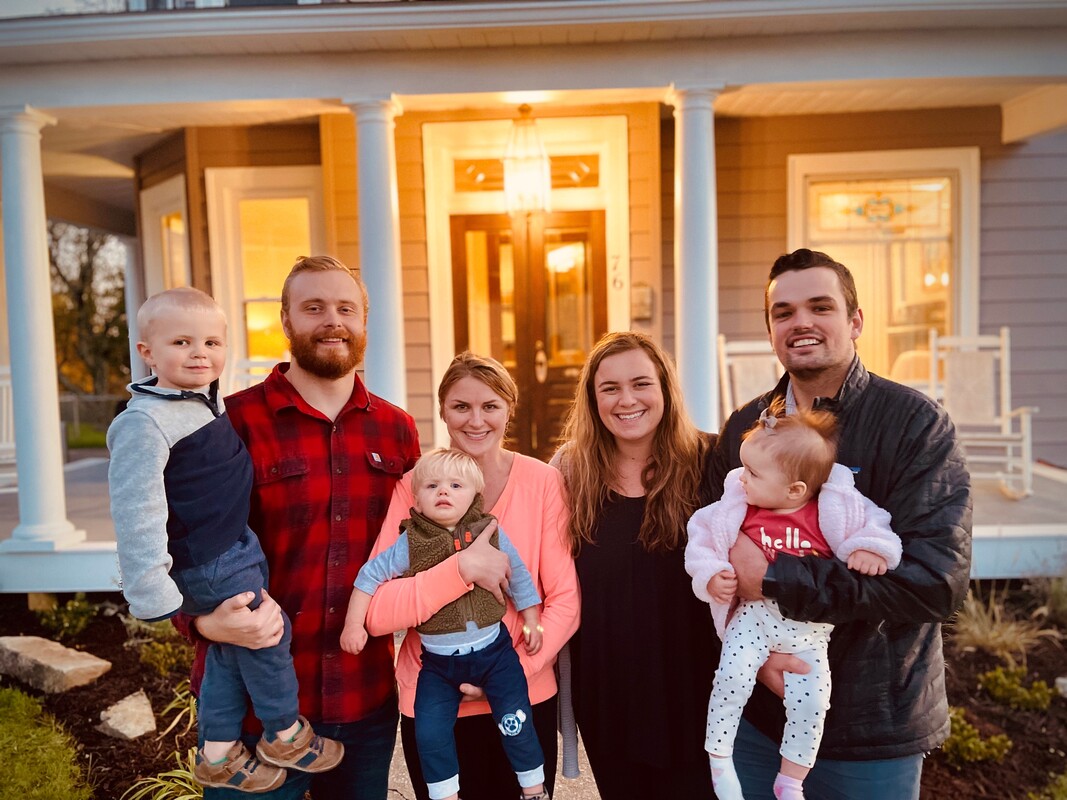
Spotlight stories should involve a West Virginia property listed on the National Register of Historic Places or as a contributing structure to a National Historic District. If you believe your story is relevant despite not meeting this specification (perhaps an event or advocacy success), please email to check with a member of our staff at [email protected]. Submitted Preservation Spotlight stories may be featured on PAWV’s website and social media channels to celebrate the positive steps everyday West Virginians are making towards historic preservation in their communities. PAWV is accepting submissions through a Google form here. A Word document submission form is available for download below. AJ Hammond and Dylan Sheldon, DBA Historic Morgantown, recently completed the historic renovation of the home of former WVU President Daniel Boardman Purinton. The home at 76 Grandview Ave. in South Park, had fallen into a state of disrepair and sat vacant for over a year. However, recognizing the historic significance of the property, Sheldon and Hammond spent the last 18 months renovating the stately home to its original grandeur. “The completion of this project has been incredibly rewarding,” said AJ Hammond, who is a Relationship Banker at Citizens Bank of Morgantown, and the current President of Main Street Morgantown. “The beautiful architecture, the stories behind these properties in South Park and Downtown are what sets this neighborhood apart! Our mission is to preserve these buildings, and share this important history in order to build a more vibrant community and improve the quality of life in Morgantown!” President D.B. Purinton was not the only famed resident of this property. John Alden Purinton, named after his direct descendant John Alden a crew member of the Mayflower, was a son of the President and served as the first Basketball Coach at West Virginia University in 1904. Additionally, Edward Earle Purinton, who was an internationally renowned author and health expert, called this property home. The author’s most popular book selling over 700,000 copies, “Triumph of a Man who Acts,” was distributed to more than 50,000 Officers of the English Army in 1919. “This property was the crown jewel of the neighborhood,” said Dylan Sheldon, a Project Manager at Inneraction Media. “Being a part of the team who brought it back to life, has been an honor.” This project was not Sheldon’s first historic renovation, he also restored an abandoned property on Park Street built in 1926 by carpenter, D.B. Biser. “South Park is a special neighborhood, with important properties,” said Sheldon, “in order to be good stewards of what we’ve been given, it’s important to restore these homes for future generations.” Built in 1907, the Victorian home on Grandview Ave. served as a retirement property for the Purintons. Prior to moving to South Park, the family lived on the campus of WVU in the President’s Mansion. “The Purinton House,” as it is named today, is listed on the National Register of Historic Places and houses the offices of International Students and Scholar Services. The historic renovation features approximately 3,000 square feet of living space, all new electrical, plumbing, roof and windows. This home has been upgraded with modern amenities while preserving the original trim, pocket doors and built-in cabinets. The four bedroom, three bath house will hit the market next week through Nancy Hillegas of Landmark Realty Services.
|



Get Involved |
Programs |
Contact UsPreservation Alliance of West Virginia
421 Davis Avenue, #4 | Elkins, WV 26241 Email: [email protected] Phone: 304-345-6005 |
© COPYRIGHT 2025 - PRESERVATION ALLIANCE OF WEST VIRGINIA. ALL RIGHTS RESERVED.