|
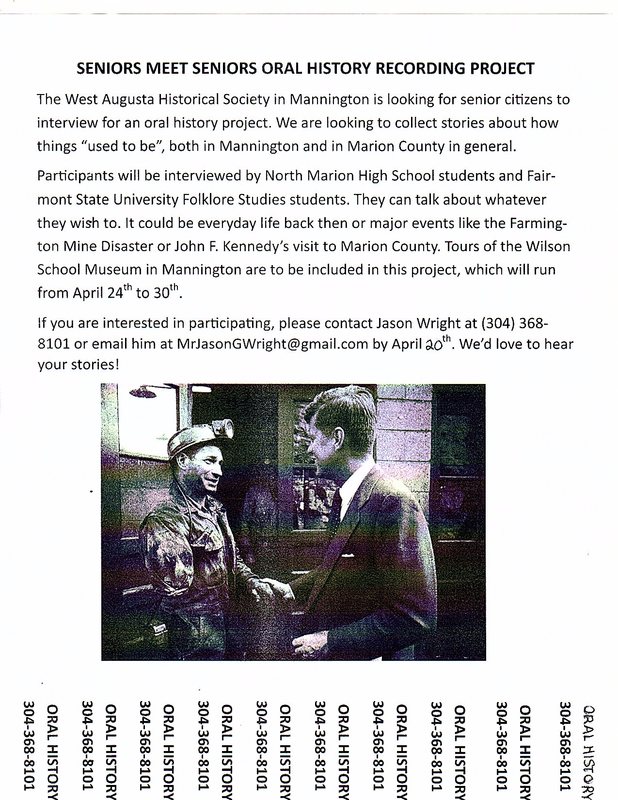
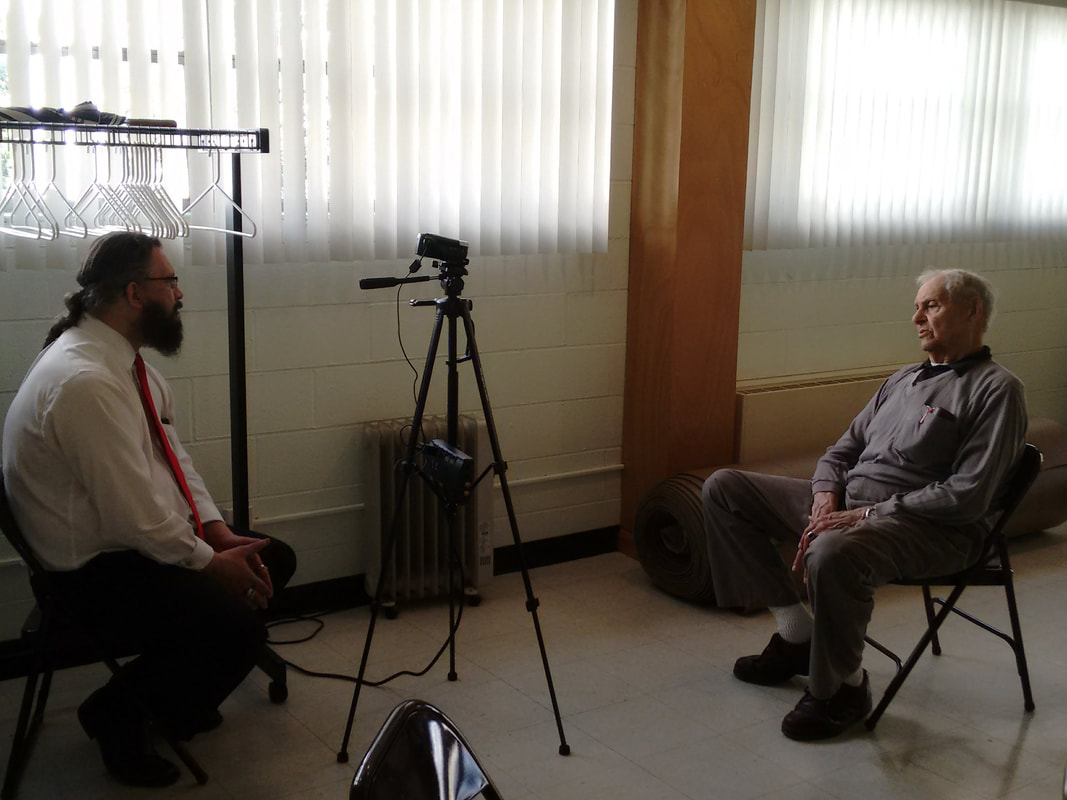
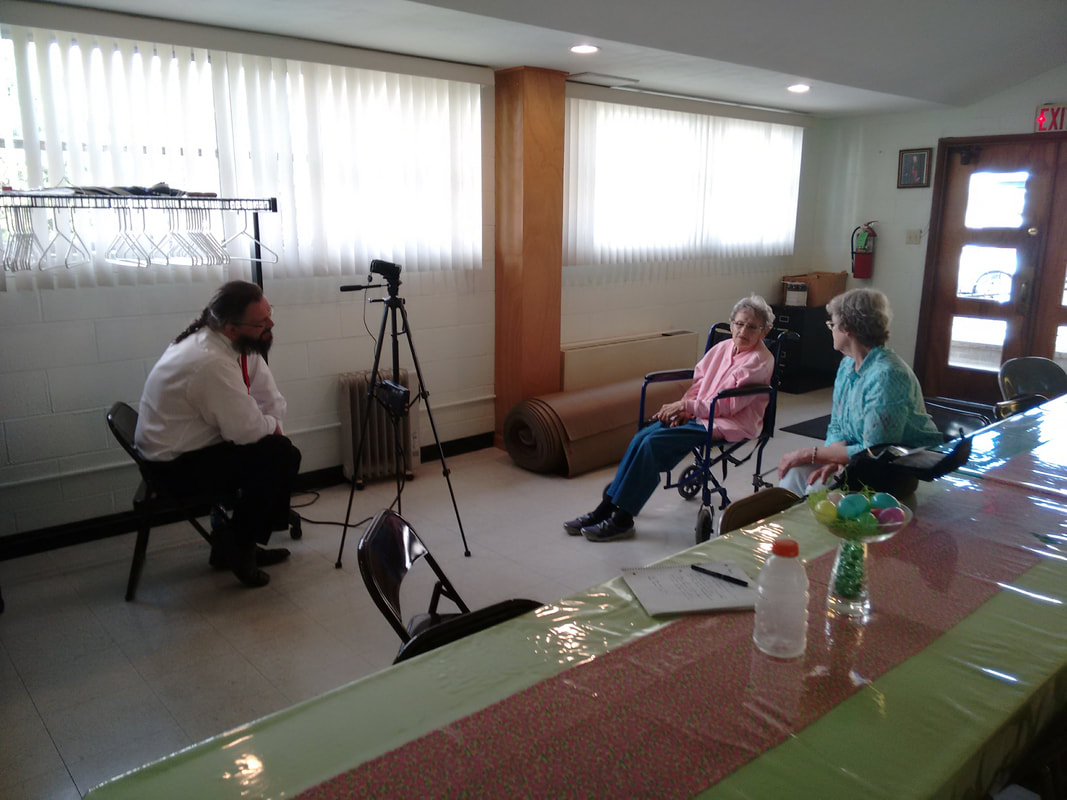
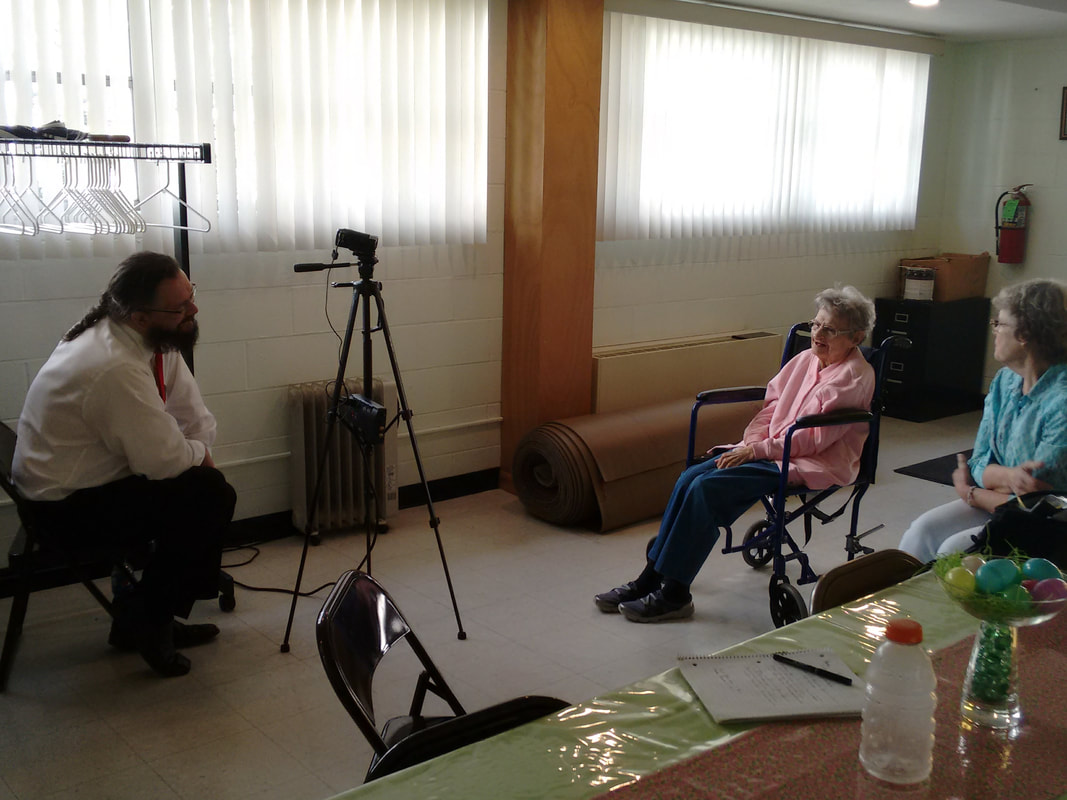
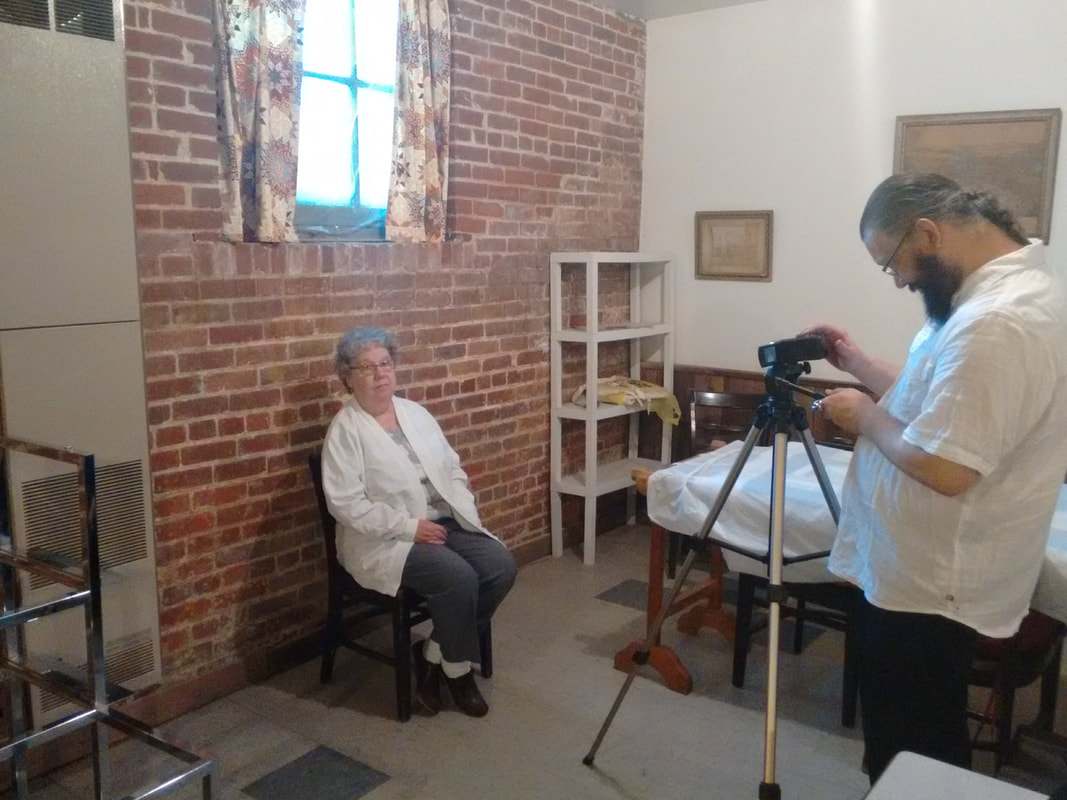
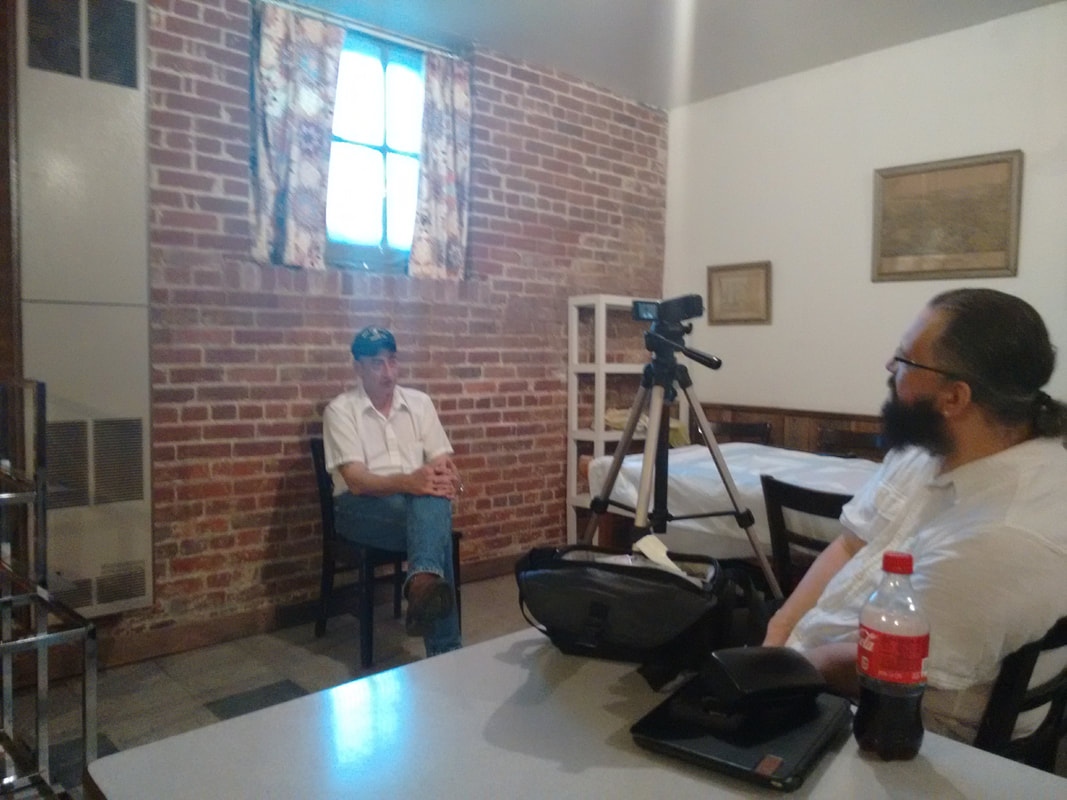
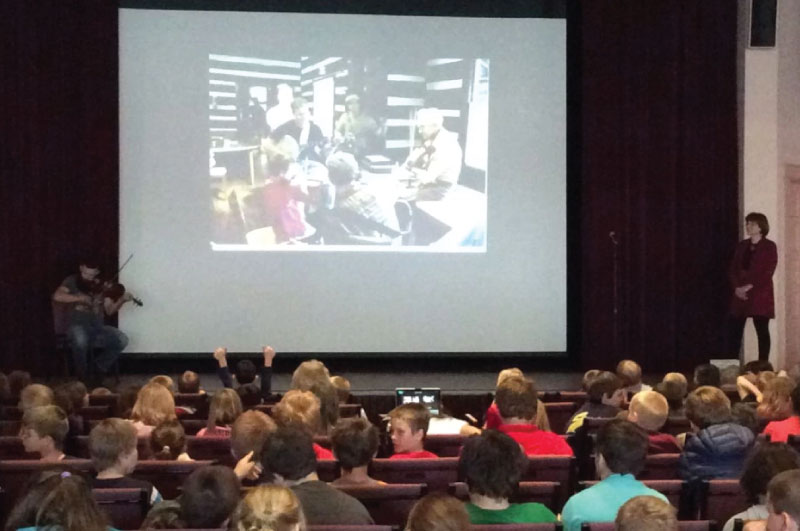
By Jason Wright, Preserve WV AmeriCorps For my Great Story, I would like to talk about my “Seniors Meet Seniors” oral history recording project. The seeds of this project were planted during a discussion my partner and I were having over dinner one night late in December, 2016. I was bemoaning the average age of the people that were volunteering at the West Augusta Historical Society in Mannington, WV, where I serve; they are all so old, and yet they all had such interesting stories to tell about how life in the area used to be back in the “Good Old Days.” The problem was there were few people there to listen to those stories. I realized that there needs to be an active involvement by the youngsters of the area in the society, so that they can learn about those days. If they can get involved, then there might be a future for the society. But how to get them involved? My girlfriend told me that nowadays, high school students need to get experiential learning credits in order to graduate. They get these credits by performing community service.
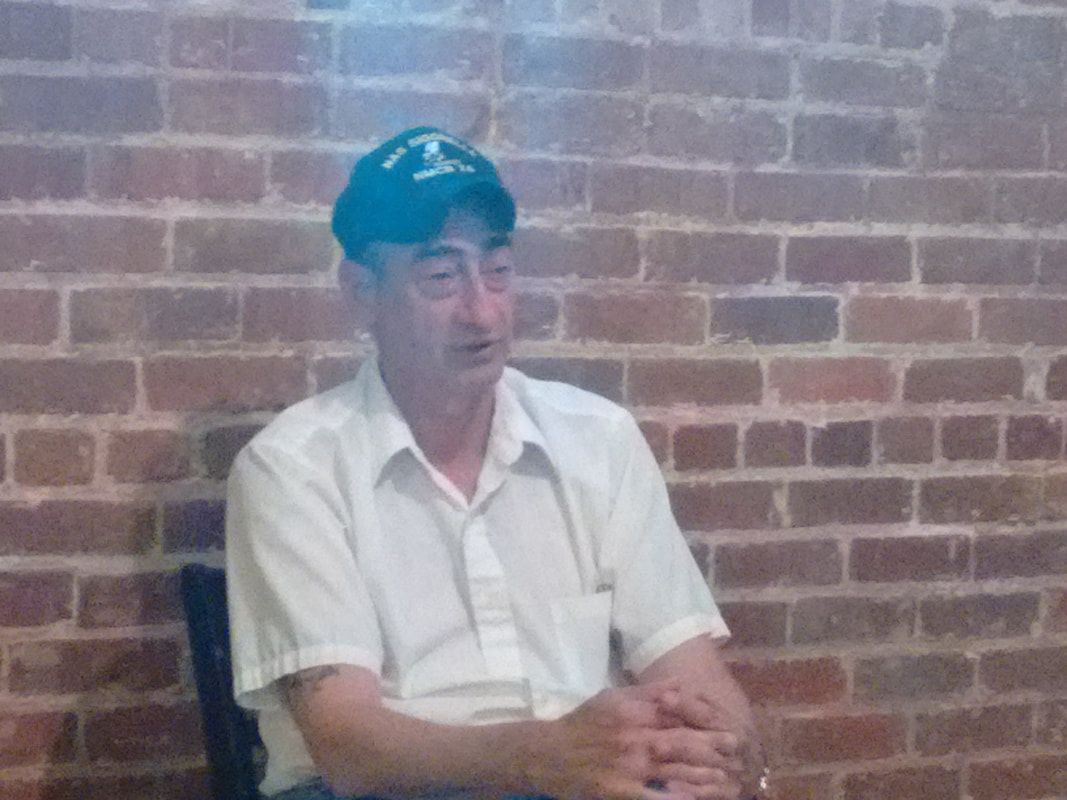
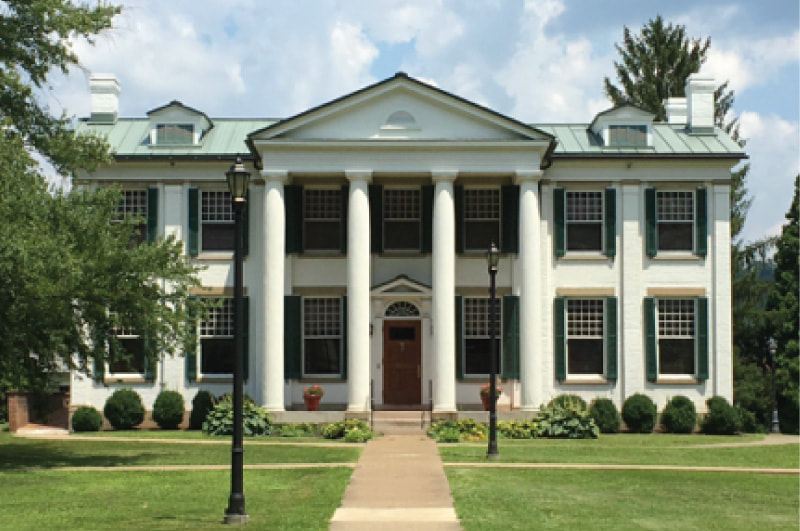
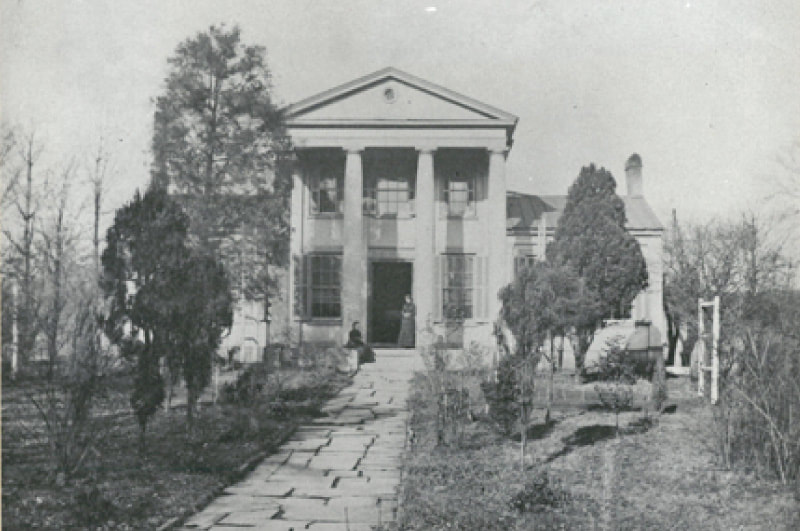
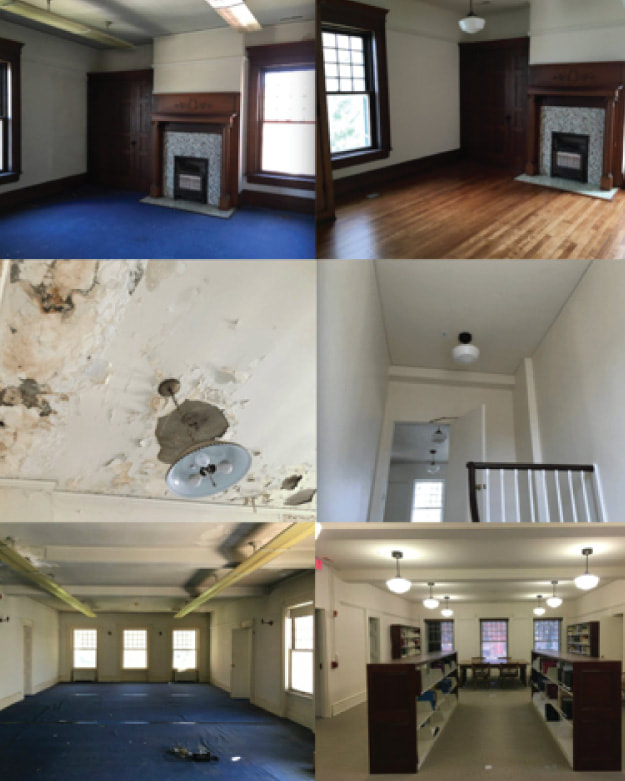
And so, with the new year, I began the process of trying to contact the people that had the power to okay this project. I was aiming for late April recording dates and I thought that allowing sixteen weeks to get everything prepared would have been enough time. Everyone I spoke to loved the idea, including the society’s Board of Directors; Diana Hayes, who is the Activities Coordinator for Marion County Senior Citizens; North Marion High School counselor Alex Eddy (who told me, “I think this sounds like an awesome project. I will pass this along with some of our history teachers”); and Bill Stalnaker, the North Marion teacher that was to be in charge of recruiting students. Unfortunately, due to the busy schedules of both Mr. Cox and Mr. Stalnaker, it was not until March 8 that I was able to personally meet with Mr. Stalnaker and describe what I wanted to do in some detail. He loved the ideas that I had, and, as a graduate of Fairmont State College’s Folklore Studies program, set up a meeting with Pat Musick, the Director of the Frank & Jane Gabor WV Folklife Center at Fairmont State. Their enthusiasm for my project let me know that this was something that could create of lot of good in the community. They even suggested that the recording event become an annual thing. Because Mr. Stalnaker teaches the Newspaper class at North Marion, and because of his background in folklore and music, he would be able to provide the recording devices. All recordings and transcripts would be archived at the society’s Wilson School Museum, as well as at North Marion and Fairmont State. All that was left to do was recruit the students and the senior citizens. And that was where I ran into difficulties. While Mr. Stalnaker was to recruit students, I was to find senior citizens to be interviewed. I spoke at all three Marion County Senior Citizen centers. I gave an interview with the Fairmont Times West Virginian newspaper. I put up flyers advertising my search. I mentioned it to all and sundry that I met in Mannington and elsewhere. Everyone I spoke to was very nice, but not very helpful. In Fairview, there was a woman who brought me her self-published book on the history of Fairview, but she did not want to be interviewed. There was no response from anyone from the Fairmont Senior Center. But the newspaper article and the Mannington Senior Center netted me a few wonderful individuals. Those interviews lasted for an hour each. Every time the senior citizen would finish talking about something, they would remember some other little detail, either about that subject or about something that might have taken place across the street from where the original subject of conversation took place. These people knew so many details about life in Mannington. Where the stores where, who the proprietors were, their ethnicity. What the cars were like. What people ate. So many memories were unlocked. It was wonderful to listen to them speak. After each interview, the senior citizens would talk about how they wanted to be a part of the recording process again, because they knew that there were more stories they could tell. I feel that now that several respected members of the community have done this, the next time there is an oral history project, I will be able to get more response from the community. And there will be another recording event, because everyone I spoke to realizes the importance of collecting everyday people’s stories about things that the history books do not really ever speak about. By Edward Pride IV, Preserve WV AmeriCorps After more than a year of renovation and planning, a celebrated Clarksburg landmark is once again open to the public. Waldomore, an antebellum-era mansion situated on the grounds of the Clarksburg-Harrison Public Library, has served the residents of Clarksburg as a library, museum, archives, and civic meeting and performance space for more than 80 years. To commemorate the reopening of the building, a grand reopening reception and open house was held to provide guests a much-anticipated tour of the site. Originally constructed in 1842 by Clarksburg businessman and Virginia State Senator Waldo P. Goff, the two-story brick mansion served as the residence of the Goff family for nearly a century. In 1930, Waldo’s daughter, May Goff Lowndes, donated the structure to the City of Clarksburg to be used as a library and museum. From 1930 to 1975, Waldomore operated as home of the Clarksburg Public Library. After the completion of a new library building in 1975, Waldomore was repurposed as a center for historic and genealogical research as well as a public meeting and event space. 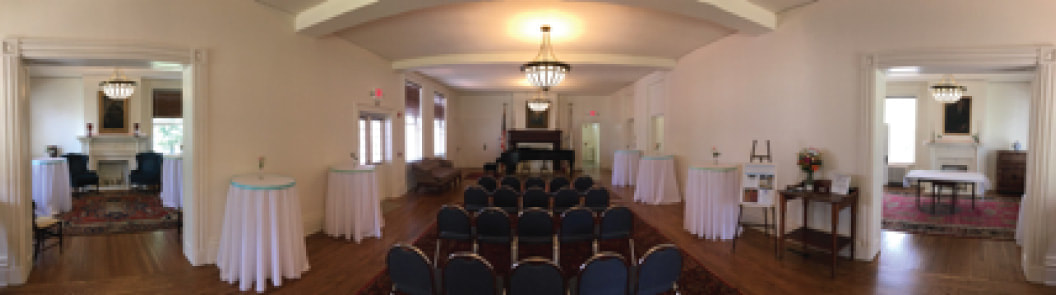 Waldomore Grand Reopening Reception In October 2015, the City of Clarksburg was awarded a grant from the West Virginia Division of Culture and History and the National Endowment for the Arts for the purpose of restoring Waldomore. The project, totaling more than $500,000, included the replacing of electrical systems, installation of new period light fixtures and chandeliers, lead and asbestos abatement, plaster repair, new carpeting and paint, and restoration of exterior doors. Between April and December of 2016, contractors from Allegheny Restoration were hard at work returning the building to its former glory. Upon completion of the renovation, Waldomore and library staff began the process of returning collections and furnishings back to the site. During the restoration, Waldomore staff embarked on the arduous task of creating new policies and operating procedures, the laying out of new floor plans, and the processing and cataloging of artifacts and materials for their eventual return. The once in a lifetime opportunity allowed for staff to institute much needed changes to better serve patrons as well as allow for the continued preservation of collections for future generations. Prior to the grand reopening, a private reception was held for those who assisted and contributed to the project as a thank you for their tireless effort and support. Guests in attendance included the Mayor and City Council of Clarksburg, the Commissioner of the West Virginia Division of Culture and History, the Director of the West Virginia State Historic Preservation Office, and various contractors and engineers who worked on the project. During the reception, several speakers addressed the attendees and spoke of the importance of Waldomore to Clarksburg and historic preservation in the Mountain State.
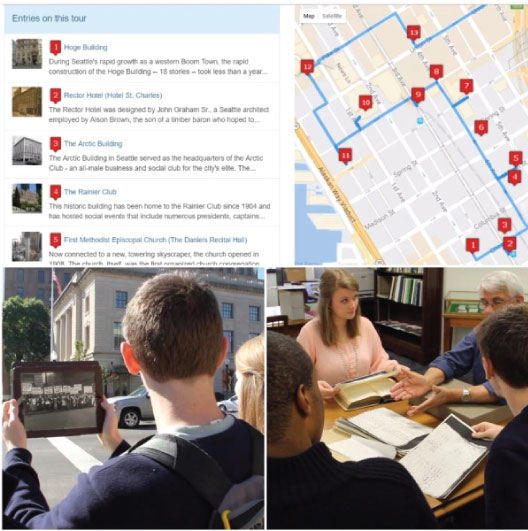
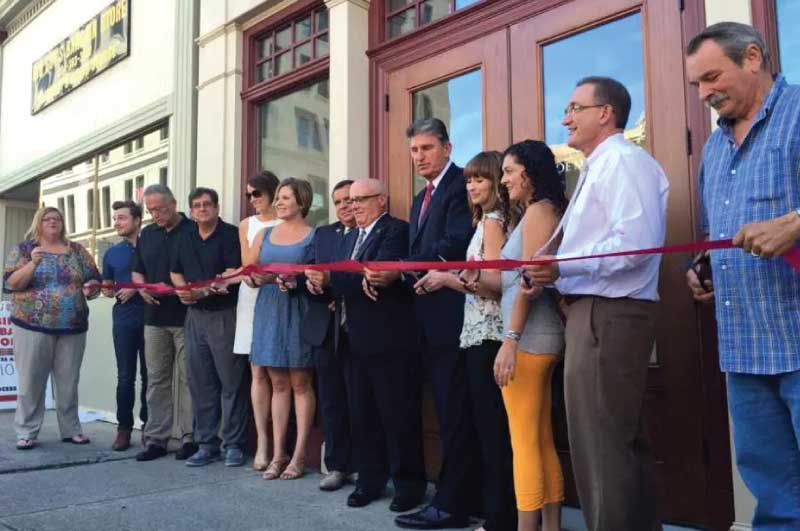
On June 11th, Waldomore reopened its doors once again for its grand reopening reception. During the festivities, city representatives and the public were able to tour the newly restored structure as well as partake in light entertainment and refreshments. Waldomore and library staff were on hand to assist patrons as well as provide information on the building and project. Comments ranged from memories of Waldomore when it was once a library to compliments on the quality of the renovation. In total, more than 150 guests participated in the reception. Thanks to the West Virginia Division of Culture and History, City of Clarksburg, the Clarksburg-Harrison Public Library, and countless individuals, the success of this renovation will allow for Waldomore to continue providing quality service and research for decades to come. What if there was a way to discover West Virginia’s history, simply by going for a walk or drive? Thanks to the efforts of universities, historical societies, libraries, and local historians throughout the state who are using Clio, that future is now possible. And thanks to a $60,000 challenge grant from the National Endowment for the Humanities, there will soon be even more to discover throughout the Mountain State when residents and visitors use Clio, a website and mobile application that makes history come alive. Clio was built in West Virginia and is free for everyone at www.theclio.com.
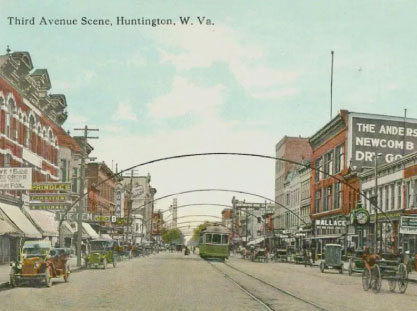
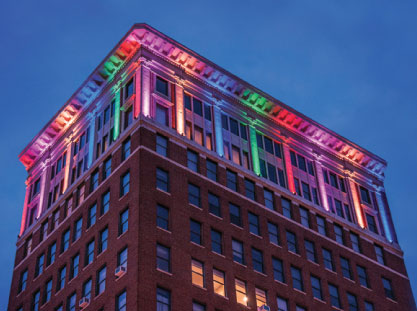
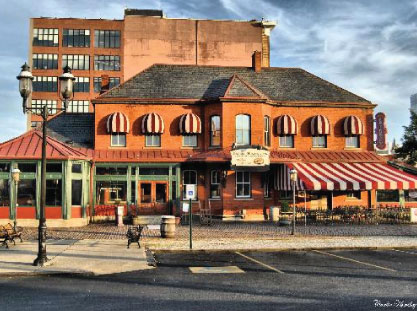
The National Endowment for the Humanities announced the grant to Marshall University on August 2, 2017. The federal grant, together with tax-deductible donations raised by Marshall University to secure their portion of the match, will support a three-year effort by a team of scholars, librarians, museum professionals, and graduate students throughout the state. These scholars and students will work with the Preservation Alliance of West Virginia, Appalachian Studies Association, West Virginia Division of History and Culture, Foundation for the Tri-State, and the West Virginia Association of Museums to create heritage tourism walking tours throughout the state. By Hailey Horn, Preserve WV AmeriCorps with the Clio At the beginning of my service year, I was extremely confident that I could cover, at the very least, one historic landmark in every county of West Virginia. That soon proved to be difficult, and most likely unrealistic, as I became obsessed with each community I was researching, and had to force myself to move on to the next before getting lost in studies that could easily take up all of my 1750 hours. I determined my research area upon importance: which area of the state PAWV or Clio was presenting in, the hometowns of gracious donators, or areas that needed serious improvements. After a couple of months into my service year, I found myself writing about a city that I thought I knew like the back of my hand and quickly learned that I was completely ignorant about the history of a place I have called home the past five years: Huntington, WV. By James Shepherd, Preserve WV AmeriCorps at the Pocahontas County Opera House
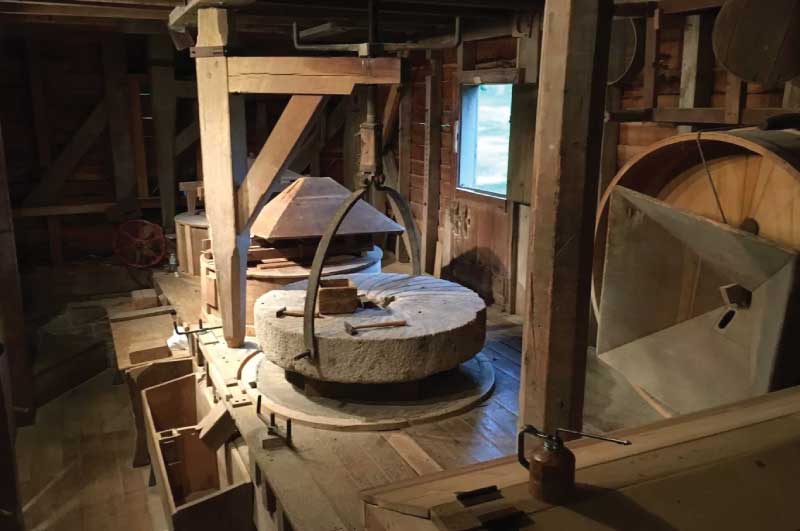
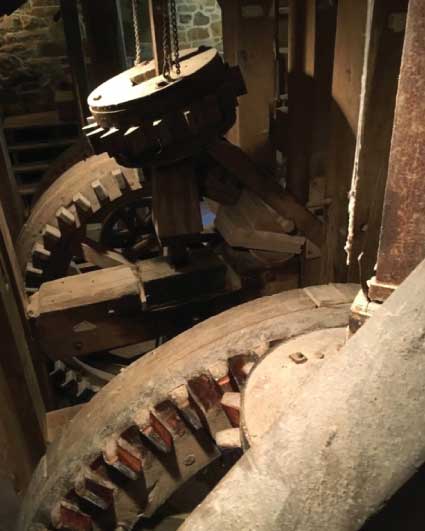
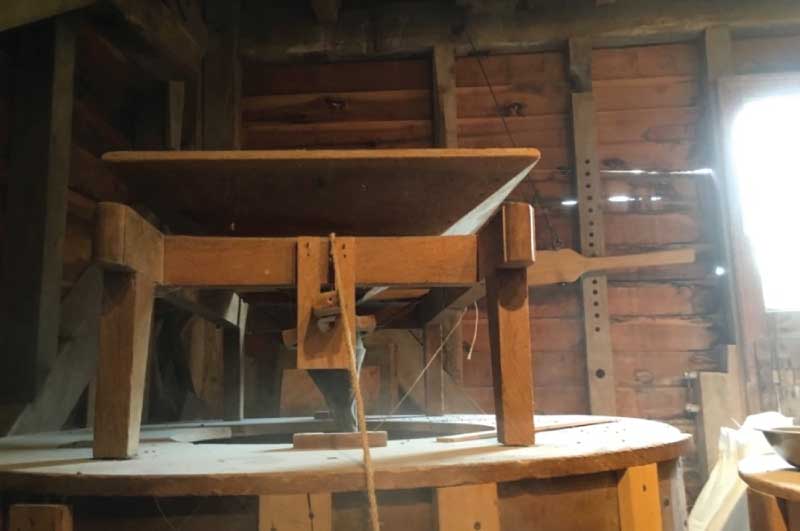
By Joe Obidzinski Something that is often heard on a tour of the Blaker Gristmill at Jackson’s Mill is how much fun a job like ours would be to do day in and day out. This is very true, but often people do not understand just how much work goes into getting our mill ready to run. Here is just a brief snippet of some of the tasks necessary. Think of this as an episode of Mike Rowe’s Dirty Jobs, only without the trademark and host, and our subject being a 220+ year old machine that was disassembled from its original location in Greenbrier County and moved to its present location at Jackson’s Mill.
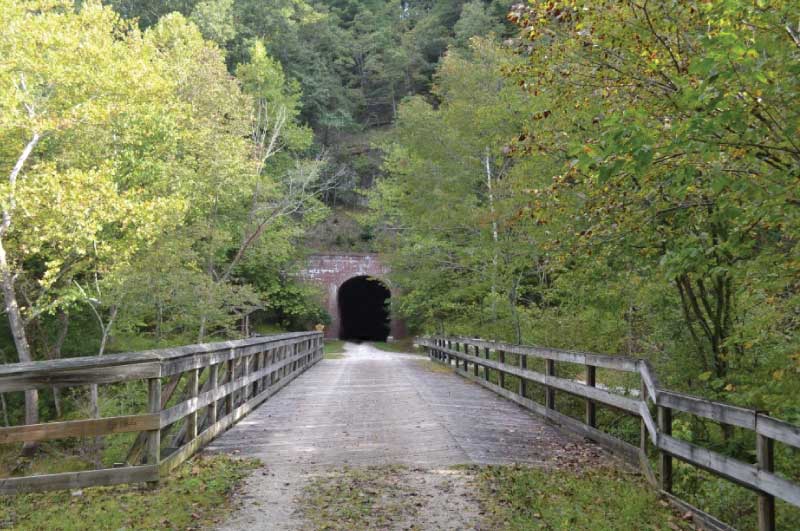
The North Bend Rail Trail is a recreational trail for cyclists, hikers and equestrian enthusiasts. It is operated by West Virginia State Parks and at one point passes through North Bend State Park near Cairo in Ritchie County. Once simply an abandoned railroad, the trail is now part of the 5,500 mile coast-to-coast American Discovery Trail. Stretching 72 scenic miles, the North Bend Rail Trail passes through thirteen tunnels and crosses 36 bridges. The trail runs from Wood to Harrison counties and traverses the full east-west length of Doddridge and Ritchie counties. Since the North Bend Rail Trail is one of our largest regional attractions and given the fact that I am also a North Bend Rails to Trails Foundation board member, I take a particular interest in the trail.
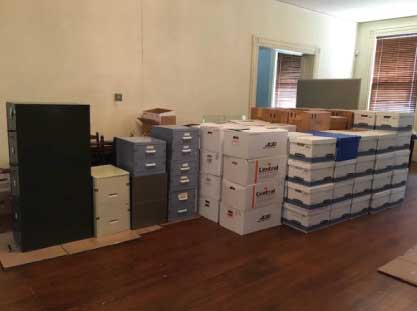
By Edward Pride, Preserve WV AmeriCorps at the Waldomore (Clarksburg – Harrison County Public Library) Since April 2016, extensive renovations have been ongoing at Waldomore, a historic library and museum located in Clarksburg, WV. Improvements being performed during the restoration include the replacement of aging electrical wiring with a new system, the repairing of damaged plaster throughout the structure, as well as the installation of new carpeting and paint. Due to the nature and scale of the project, the contents of the building had to be removed and placed in temporary accommodations. Before Waldomore Staff could begin the moving process, extensive planning had to take place in order for the move to be executed with little to no issue. Although every collections move has different characteristics and challenges, the items covered below provide a basic framework for any museum or archives to use when planning their move.
|
Preserve WV Stories
Categories
All
Archives
August 2023
|


 RSS Feed
Get Involved |
Programs |
Contact UsPreservation Alliance of West Virginia
421 Davis Avenue, #4 | Elkins, WV 26241 Email: info@pawv.org Phone: 304-345-6005 |
Organizational Partners:
|
|

|
|
© COPYRIGHT 2022 - PRESERVATION ALLIANCE OF WEST VIRGINIA. ALL RIGHTS RESERVED.