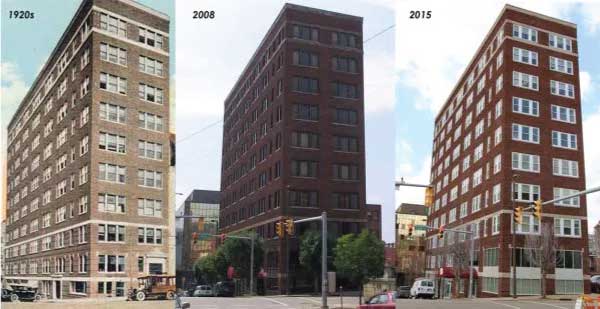
Renowned architect Charles W. Bates designed the ten-story masonry structure in 1922. The building contains typical characteristics of early 20th century commercial architecture with a slender rectangular floor plan, a uniform and logical façade with the dramatic fenestration accenting its verticality. The open floor plan is constructed with formed in place concrete columns, beams, and floor slabs. The exterior is accented with several types of brick coursing along with limestone accent banding and other details along the cornice. Since tenants occupied the building during the renovation, the project was completed in multiple phases. The first phase included an exterior restoration where the façade brick and limestone accents were cleaned and restored; and the exposed steel lintels at the windows and door openings were recoated and/or replaced. New insulated double-hung windows and trim matching the size, scale and color of the originals replaced the 1970s bronze aluminum single glazed windows. Once the new windows were installed, the architect’s original design intent expressing the strong contrast between the brick veneer and fenestration once again became prominent.
The final phase of the project included improving site conditions with new landscaping, paving and parking lot control.
Though the building serves multiple tenants, the building primarily functions as the corporate headquarters for a national roofing company that employs nearly 80 personnel. Other businesses recognized for their efforts in this project include:
The rehabilitation of the Kaley Center has dramatically improved the skyline of Wheeling and has fostered an interest in the continuing revitalization of other historic buildings in the downtown.
The Clio as it is called guides the public to thousands of historical and cultural sites throughout the United States. Built by scholars for public benefit, each entry includes a concise summary and useful information about a historical site, museum, monument, landmark, or other site of cultural or historical significance. In addition, “time capsule” entries allow users to learn about historical events that occurred around them. Each entry offers turn-by-turn directions as well as links to relevant books, articles, videos, primary sources, and credible websites.
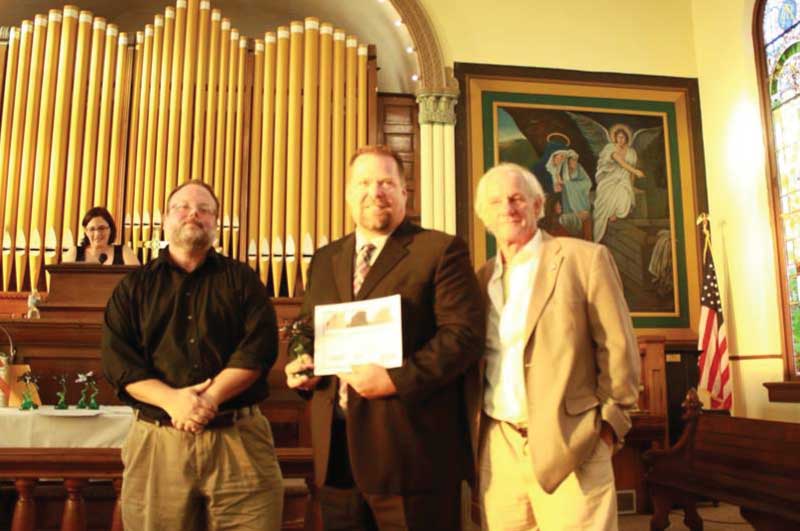
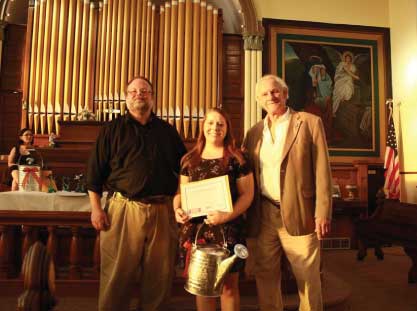
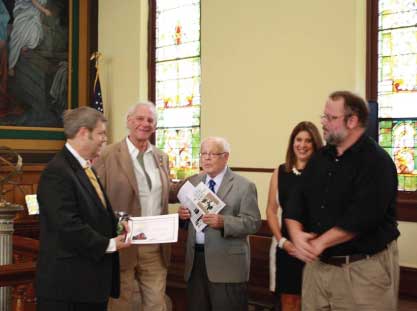
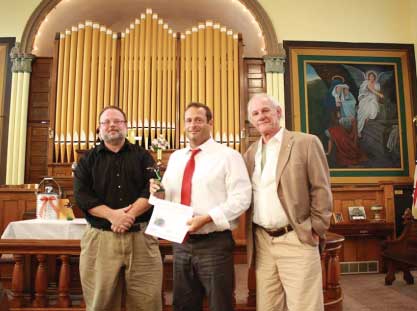
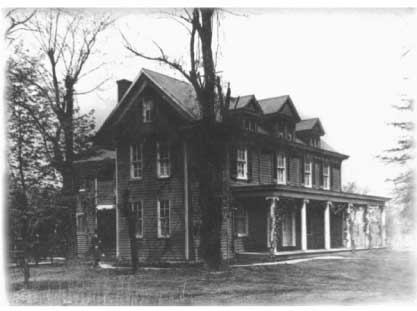
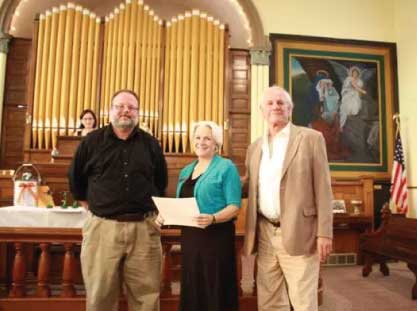
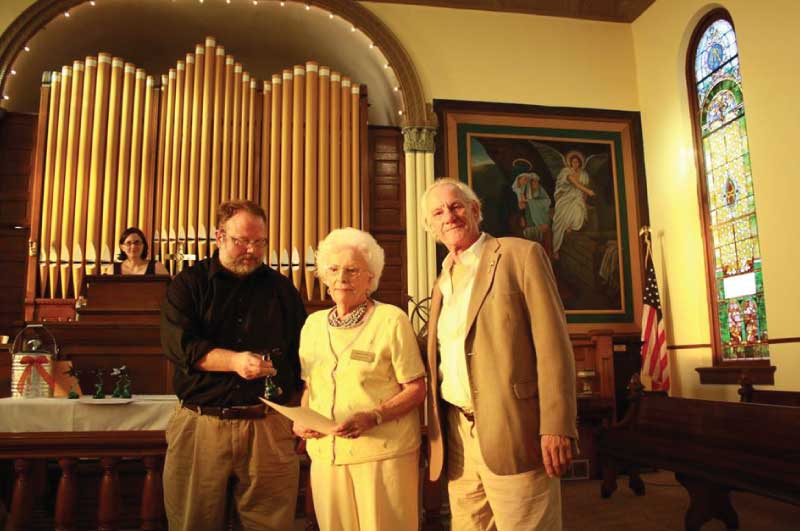
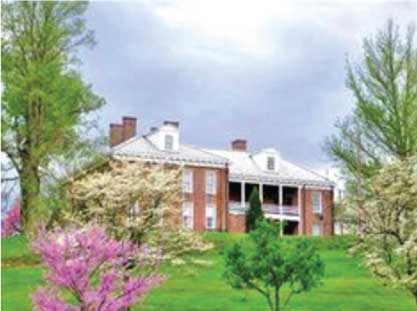
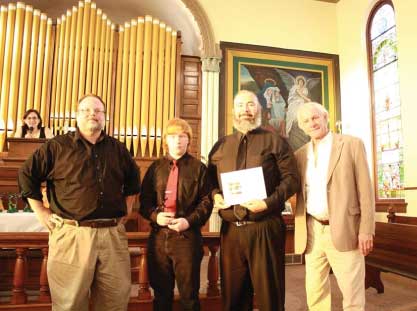
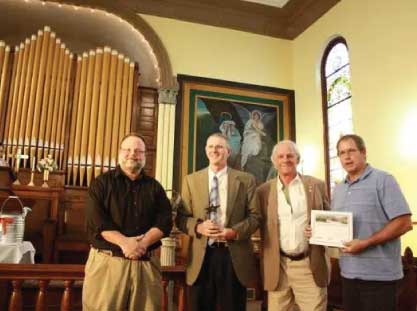
The Stewardship Award was presented to a project known for utilizing best practices in historic preservation and archaeology. Since this project’s inception, the utmost care has been taken in the stewardship of this property. The Cockayne Farmstead Preservation Project in Glen Dale, WV is the recipient of the first-ever Stewardship Award. Present to accept the award was the newest staff person for the Farmstead, Caitlin Hucik.
WYP is currently in the process of incorporating as a nonprofit in West Virginia and pursuing 501(c)(3) status. Currently, a six-person steering committee serves as the point persons for different initiatives happening or in the works: the Blue Church, cemeteries, organizational structure, marketing and social media, workshops, and lovescaping.
Her interior work includes installation of a new stage floor, installation of interior storm windows and other energy efficiency projects, updating the heating and cooling system, replacement of carpeting, remodeling of the toilets, major developments to the sound and lighting systems, and constant painting. Perhaps most importantly, she will leave a legacy of a maintenance plan and careful documentation of all the work that was done under her leadership, as well as beneficial working relationships with the West Virginia Department of Culture and History, numerous foundations, the Greenbrier County Commission, and the Lewisburg City Council. Congratulations, Susan! Thank you for your hard work! 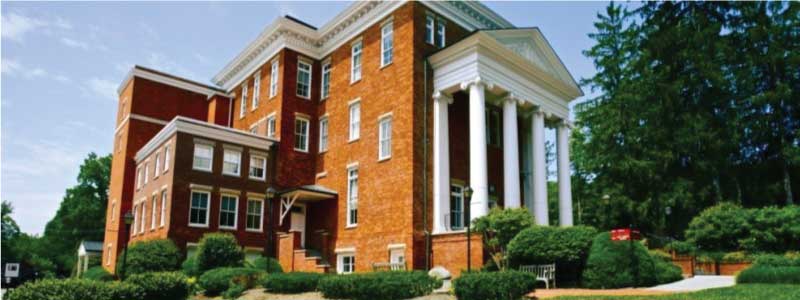
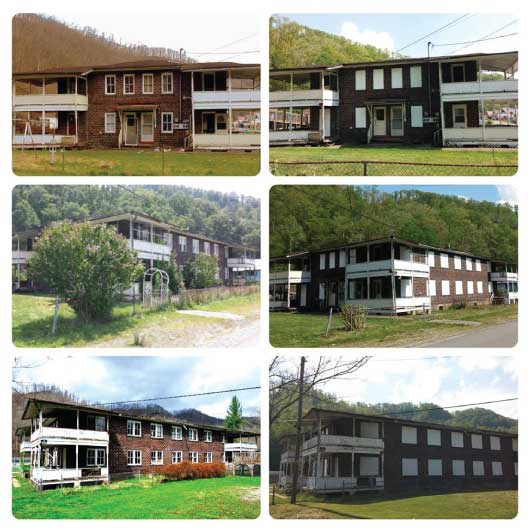
The students worked to document the process of cleaning and mothballing the historic apartment building in Helen, West Virginia. They donated their time and efforts to put together a documentary that has a future as a teaching tool as well as a way to spread awareness of historic preservation efforts in the state of West Virginia. Three high definition video cameras were deployed during the project, including the creative use of time lapsed photography to help illustrate the pulse and dynamics of the project. They eagerly incorporated drone photographs and video taken of the project area to add a cutting edge technology feature to the filming, as well as archival footage of the Helen community. Various leaders in the project and volunteers were interviewed to add perspective and depth to the film production. Abandoned and dilapidated buildings have become a large problem for the state during the decline of the coal industry over the last 40 or more years, but some historic structures from the coal boom still remain intact and are worthy of adaptive reuse across Southern West Virginia. With the effort put forth by Liberty High School’s Fine Arts Department, the Preservation Alliance of West Virginia now has another means of spreading awareness of historic preservation and its best practices. On April 10th and 11th Rodriguez and students captured on film the clean- up work of 33 volunteers from throughout the state who had come together. Volunteers cleared out 6.31 tons of debris from inside the apartment house. Vegetation and trash were collected from around the outside of the building to improve its outer appearance as well. The first floor windows were covered with plywood panels as part of the mothballing process. They were designed and built by The Preservation Alliance’s full-time employee Lynn Stasick and AmeriCorps member Nicole Morocco.
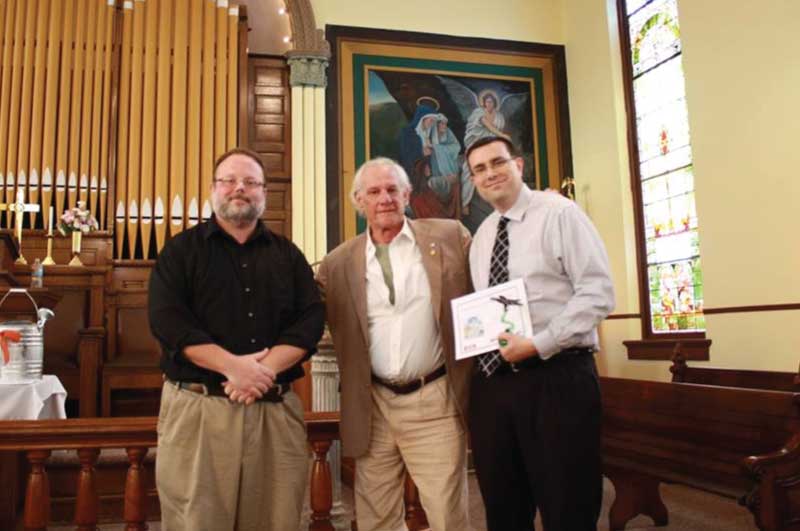
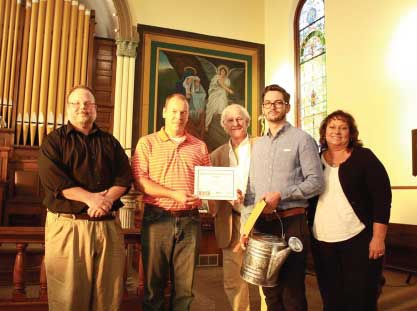
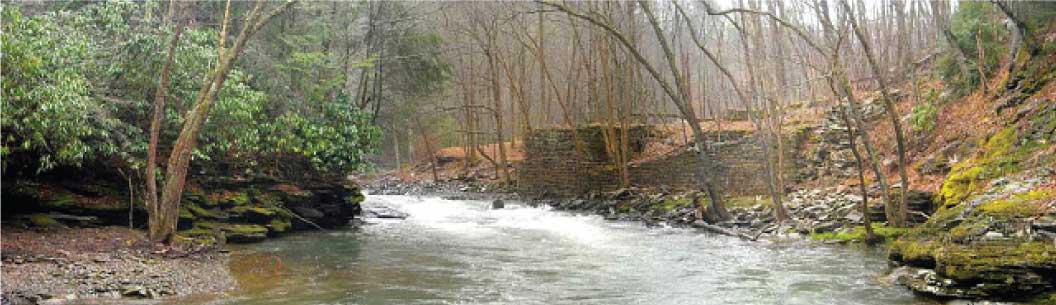 The 2015 Landscape Restoration Award went to the City of Beckley for the Alfred Beckley Mill Project. Beckley City Council member and Raleigh County Historic Society President, Tom Sopher and Gary Morefield, President of the Raleigh County Cycle Club and active volunteer in building the trail system around the mill site and Piney Creek watershed accepted the award. In 2013, National Park Service cultural resource agent, David Fuerst, produced an archaeological study of a mill site along Piney Creek in Raleigh County. His report found a connection between the mill site and Alfred Beckley the founder of Beckley, WV, his homestead, Wildwood House, as well as Greenwood Cemetery. Fuerst explained that there is an entire network of cultural resources and a history of Beckley that hasn’t been told yet. It is also a history of how people lived and how all of these sites are connected. Although, Fuerst published the report, he gives ownership of the idea to the late Beckley Historian, Jim Wood. Adopting a true historic preservation ethos, The City of Beckley and the Beckley Historic Landmarks Commission jumped on the chance to learn more about the site and preserve it. They have adopted plans to place the mill in the National register of Historic Places and turn the mill area surrounding the Piney Creek Watershed into a public park. A road is being paved to the park and volunteers have been building trails around the grounds.
|
News and NotesCategories
All
Archives
January 2024
Subscribe to our mailing list to receive e-news updates on historic preservation news and events in West Virginia.
|

 RSS Feed
Get Involved |
Programs |
Contact UsPreservation Alliance of West Virginia
421 Davis Avenue, #4 | Elkins, WV 26241 Email: info@pawv.org Phone: 304-345-6005 |
Organizational Partners:

|

|

|
|
© COPYRIGHT 2022 - PRESERVATION ALLIANCE OF WEST VIRGINIA. ALL RIGHTS RESERVED.